
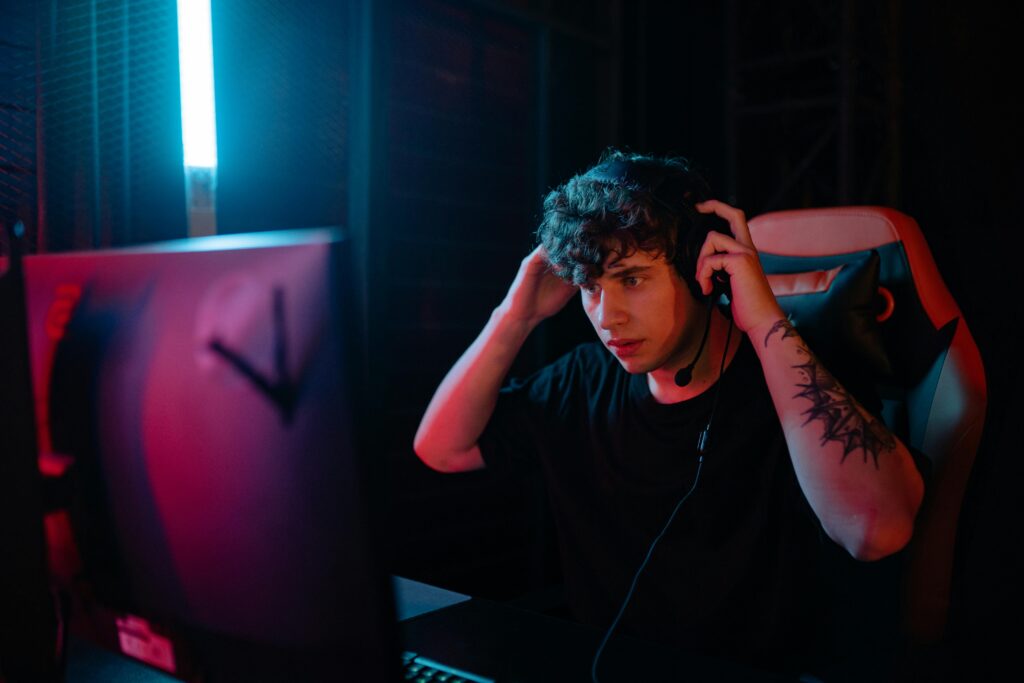
What is the best time to go live in 2026?
Does Timing Really Matter?
Best Times to Go Live (General)
Finding Your Personal Best Time
It’s one of the most searched questions among creators—and for good reason.
The difference between streaming at the right time vs the wrong time can mean the difference between 5 viewers… or 500.
This isn’t guesswork. Timing directly affects visibility, engagement, and growth across platforms.
Does Timing Really Matter for Streaming Growth?
Yes—but not in the way most creators think.
The best time to go live isn’t just about when the most people are online. It’s about hitting the perfect overlap between high viewer activity and low competition.
- More viewers online = higher discovery potential
- Less competition = better placement in algorithms
- Better timing = stronger engagement signals
Timing won’t fix bad content—but it will amplify good content fast.
What the Data Shows About the Best Time to Go Live
Streaming data across platforms like Twitch, YouTube Live, and TikTok reveals consistent behavioral patterns.
- Evenings dominate — most users log in after work or school
- Weekends = longer watch sessions — viewers stay longer and engage more
- Midday = low competition — fewer streamers, but also fewer viewers
The key strategy is not chasing peak hours blindly—but finding undervalued time slots where you can stand out.
Best Time to Go Live (Proven 2026 Time Windows)
If you’re just starting, these are the best times to stream based on aggregated 2026 data:
- Weekdays: 6 PM – 10 PM (highest traffic window)
- Weekends (Morning): 10 AM – 2 PM (low competition opportunity)
- Weekends (Night): 7 PM – 11 PM (peak engagement)
These are proven starting points—but optimization comes from testing.
Best Time to Stream by Platform
Each platform has its own audience behavior. Optimizing for your platform gives you a major advantage.
- Twitch: Best between 7 PM – 12 AM (high competition, high reward)
- YouTube Live: 3 PM – 8 PM performs best for discovery
- TikTok Live: 6 PM – 10 PM (younger audience spikes)
- Kick: More flexibility due to lower competition
If you’re serious about growth, tailor your schedule to your platform—not just general advice.
Why Time Zones Can Make or Break Your Stream
One of the biggest mistakes creators make is ignoring time zones.
Your “best time” only works if it aligns with your audience’s location.
- Check your analytics for top viewer countries
- Adjust your stream schedule to match their peak hours
- Prioritize consistency within that time zone
Streaming at the wrong time zone can silently kill your growth—even if your content is strong.
How to Find Your Personal Best Time to Go Live
Data gives you the blueprint—but your audience gives you the answer.
To find your optimal streaming time:
- Track peak concurrent viewers
- Measure engagement (chat activity, likes, watch time)
- Test different time slots for at least 1–2 weeks each
- Lock in a consistent schedule once patterns appear
The best time to go live is where your audience consistently shows up—and keeps coming back.
Common Streaming Schedule Mistakes (That Kill Growth)
Most creators don’t fail because of content—they fail because of poor timing strategy.
- Streaming at random times with no schedule
- Ignoring performance analytics
- Switching time slots too quickly
- Competing directly with top streamers in your niche
Consistency + strategy will outperform raw effort every time.
Final Thoughts: Timing + Content = Growth
The best time to go live isn’t a fixed answer—it’s a strategy.
Start with proven time windows, analyze your performance, and refine over time.
When strong content meets the right timing, growth isn’t random—it becomes predictable.

Pingback: How to Grow From 0 to 10K Followers Fast - livewireweekly.com
Pingback: How to Grow as a Small Creator in 2026: What’s Actually Working - livewireweekly.com